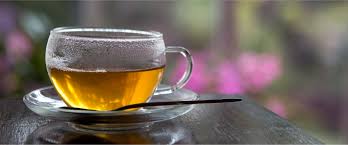
Tea is one of the oldest and most cherished beverages in the world. Its origins trace back thousands of years to ancient China, where it was first consumed for its medicinal properties. Over time, tea evolved from a health drink into a cultural staple, spreading across Asia and eventually reaching Europe, Africa, and the Americas. Each region adopted tea in unique ways, shaping rituals, social habits, and even art.
There are several main types of tea:
Tea is not just about flavor. Across cultures, it carries deep social and ceremonial significance. Japanese tea ceremonies highlight mindfulness and precision, while British afternoon tea embodies hospitality and conversation. In India, chai is a daily ritual that brings communities together, blending tea with spices and warmth.
Understanding tea's history, types, and cultural significance allows us to appreciate each cup beyond its taste. Each green tea variety, from grassy Sencha to rich Matcha, reflects centuries of cultivation and tradition. By learning about the origins and traditions, we can approach tea with mindfulness and intention. Every cup becomes a small journey through history, culture, and ritual, inviting us to pause and enjoy the moment.
To get the most out of whichever type you choose, water temperature and steeping time play a bigger role than most people expect.